
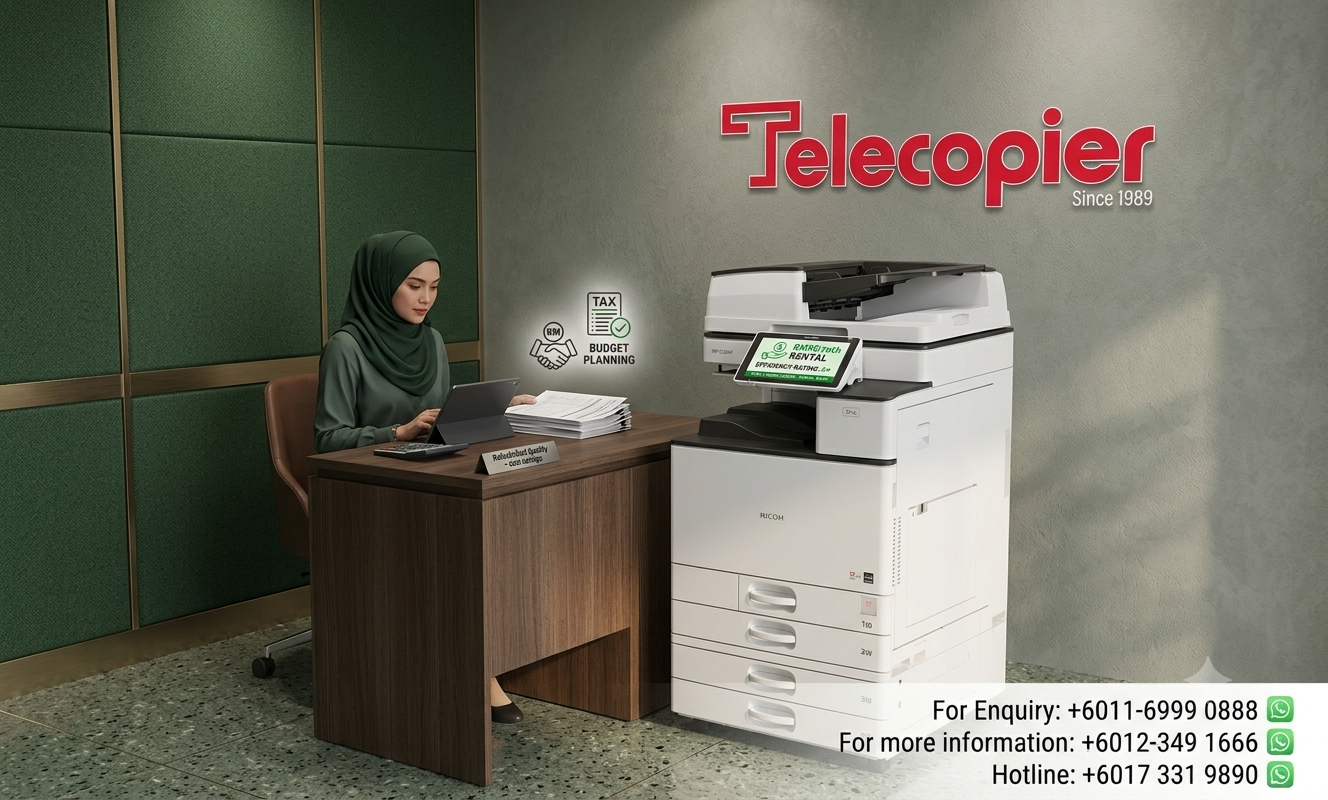

How to Claim 100% Corporate Tax Deductions via Your Monthly Ricoh Copier Rental
Ricoh copier rental tax deduction opportunities are often overlooked by businesses seeking ways to optimize operating costs and improve financial efficiency. Instead of making a large capital investment in office equipment, many organizations choose monthly copier rental plans that provide predictable expenses and simplified budgeting.
Depending on business circumstances and applicable tax regulations, copier rental payments may be treated differently from purchased assets, potentially offering advantages for financial planning and cash flow management. Understanding how rental expenses fit within a company's overall tax strategy can help decision-makers evaluate the true cost of office printing solutions.
In this article, we explore how Ricoh copier rental tax deduction considerations may benefit businesses and why monthly rental arrangements remain a popular opinion for SMEs and corporate organizations.
Capital Expenditure (CapEx) vs. Operational Expenditure (OpEx) in Corporate Taxation
To understand the tax optimization mechanics, it is essential to look closely at how the Inland Revenue Board of Malaysia (LHDN) categorizes company expenses. When a commercial-grade digital photocopier is bought outright, it is treated as a non-current asset on the balance sheet. Over time, the asset loses value through depreciation, and the business can only recover a fraction of the cost each year through statutory capital allowances. Furthermore, all subsequent expenses associated with asset ownership—such as emergency repair bills, outsourced servicing fees, and high-yield toner cartridge purchases—must be manually processed as separate accounting transactions, increasing administrative workloads and complicating annual audits.
In contrast, a managed print service (MPS) agreement functions purely on an operational subscription basis. Because your business does not hold legal title to the physical print hardware, no depreciating asset enters your company balance sheet. The single, comprehensive monthly invoice issued by your leasing partner covers the machinery use, proactive toner deliveries, spare parts, and mechanical updates. This entire expense is treated as a direct cost of doing business, identical to utility bills or office rent. Consequently, your finance team can easily claim a 100& deduction for these rental expenses against your corporate tax assessment in the exact financial year the payments occur, significantly improving corporate cash retention.
Compliance Requirements to Secure Seamless 100% Tax Deductibility
To guarantee that your monthly copier rental fees easily pass standard corporate auditing processes, your corporate finance team should maintain strict compliance across several key areas:
- Proper Contractual Verification
- Consolidated OpEx Invoicing
- Accurate General Ledger Classification
- Transparent Reconciliation of Quota Surcharges
Frequently Asked Questions (FAQs)
Business Solutions from Telecopier
To improve your office printing system, you can also explore:
 Lower Capital Outlay Monthly Operating Expenses Flexible Rental Plans Business-Friendly Solution